It always strikes me how quiet the house feels once the last Christmas or New Year's Eve guests leave and the decorations come down. You spend weeks in a blur of cooking and celebrating, and then, suddenly, you experience silence. But as the festive haze lifts, you start noticing things. A scuff on the wall that definitely wasn't there before. A doorknob that feels a little looser than it used to.
Hey homeowners and residents, you'd agree that January home repairs are almost like hangover cures for your house, right?
We tend to think of spring as the time for home maintenance, but in my experience, mid-winter is actually when the real work needs to happen. It's the "perfect storm" of home ownership: your house has just survived a month of heavy traffic and extra strain, right as the harshest winter weather settles in. The goal here isn't to overwhelm you with another to-do list, but to explain why these issues happen now and how homeowners in Northwest Chicago suburbs can address these repairs with a simple and smart solution tailored to our local winter conditions.
The Perfect Storm: Why Your Home Needs Attention in January
It might seem like bad luck that things break in January, but it’s usually just physics and timing. Your home systems are pushed to their limit in December, and then the environment turns hostile in January.
Triple Threat: Guests, Decorations & Cold Weather
When you break it down, there are three main culprits. First, guests. Even the most polite visitors add wear and tear. More showers mean more humidity in the bathroom; more people walking through hallways means more scuffs on the floor and strain on door hardware.
Second, decorations. We love them, but hanging lights, taping up garlands, and moving furniture to fit a tree often leaves minor damage behind. You might find nail holes, peeled paint, or overloaded outlets that are showing signs of heat damage.
Third, cold weather. This is the silent aggressor. As temperatures drop, materials contract. This can expose gaps in caulking you didn't know existed, leading to drafts. And if insulation isn't up to par, frozen pipes become a very real, very expensive threat.
What Happens When You Don't Notice (Until January)
Here is the thing about December: we are often too busy to notice small problems. A slow drain in the guest bathroom might be ignored because you have a turkey to baste. Heavy curtains or a wreath are covering a drafty window. We unknowingly defer maintenance.
Then January hits. The distractions are gone, and suddenly, those accumulated issues become visible. It can feel like too much, but recognizing them is actually the first step.
10 Small Repairs Handymen Handle Most in January
Working in home maintenance, you start to see patterns. January isn't random; it's predictable. These are the specific issues I see homeowners dealing with year after year once the holidays wrap up.
Wall Damage from Holiday Decorations & Furniture Moving
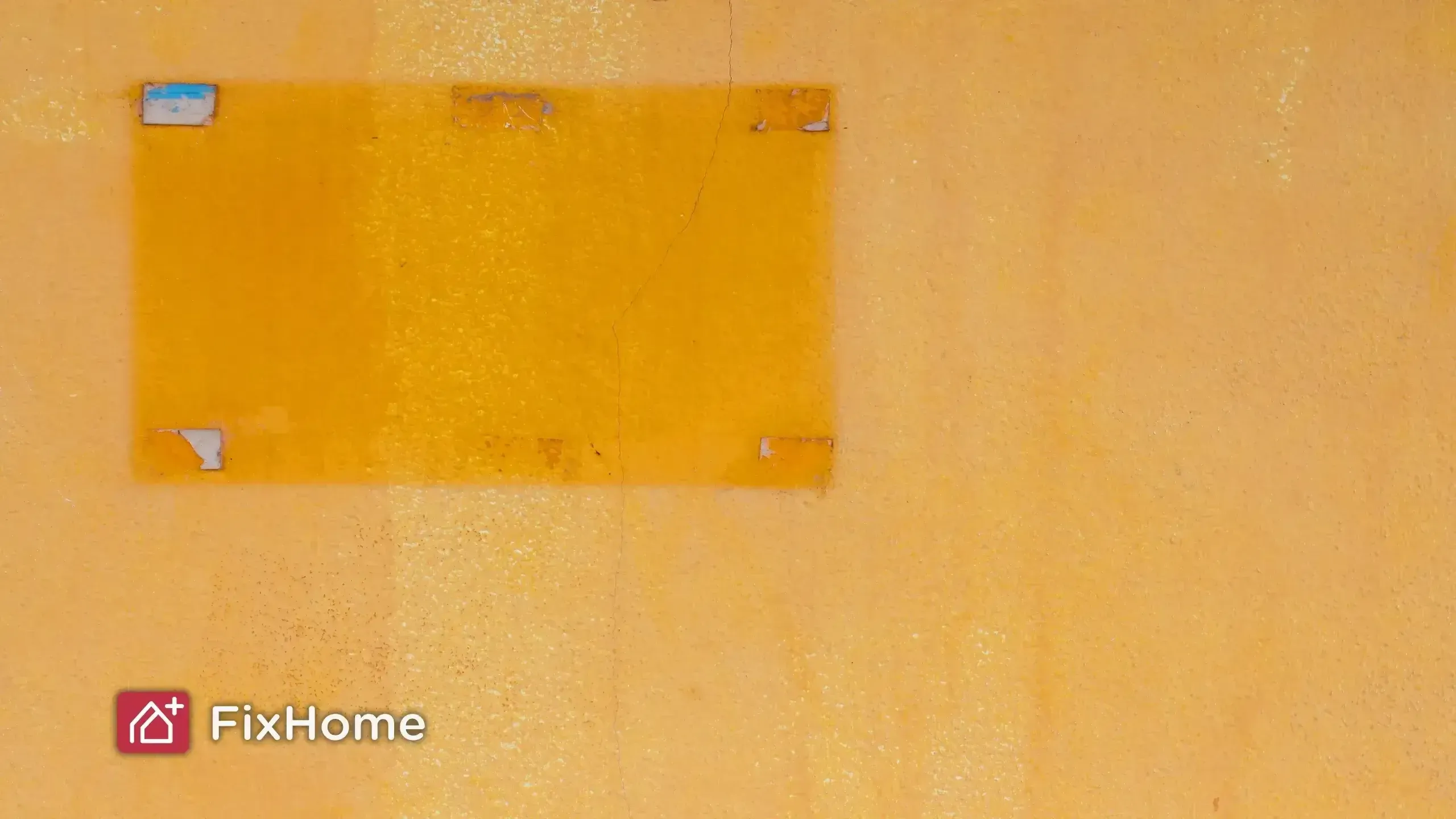
This is probably the most common. You take down a wreath or Christmas neon sign, and a chunk of paint comes with it. Often, a spot of tape is left on the wall. Or perhaps you notice scratches on the wall where the sofa was pushed back to make room for the tree. It usually involves patching small nail holes, touching up peeling paint, or fixing chipped corners on drywall where luggage or new toys bumped into them.
Loose Door Hardware from Constant Use
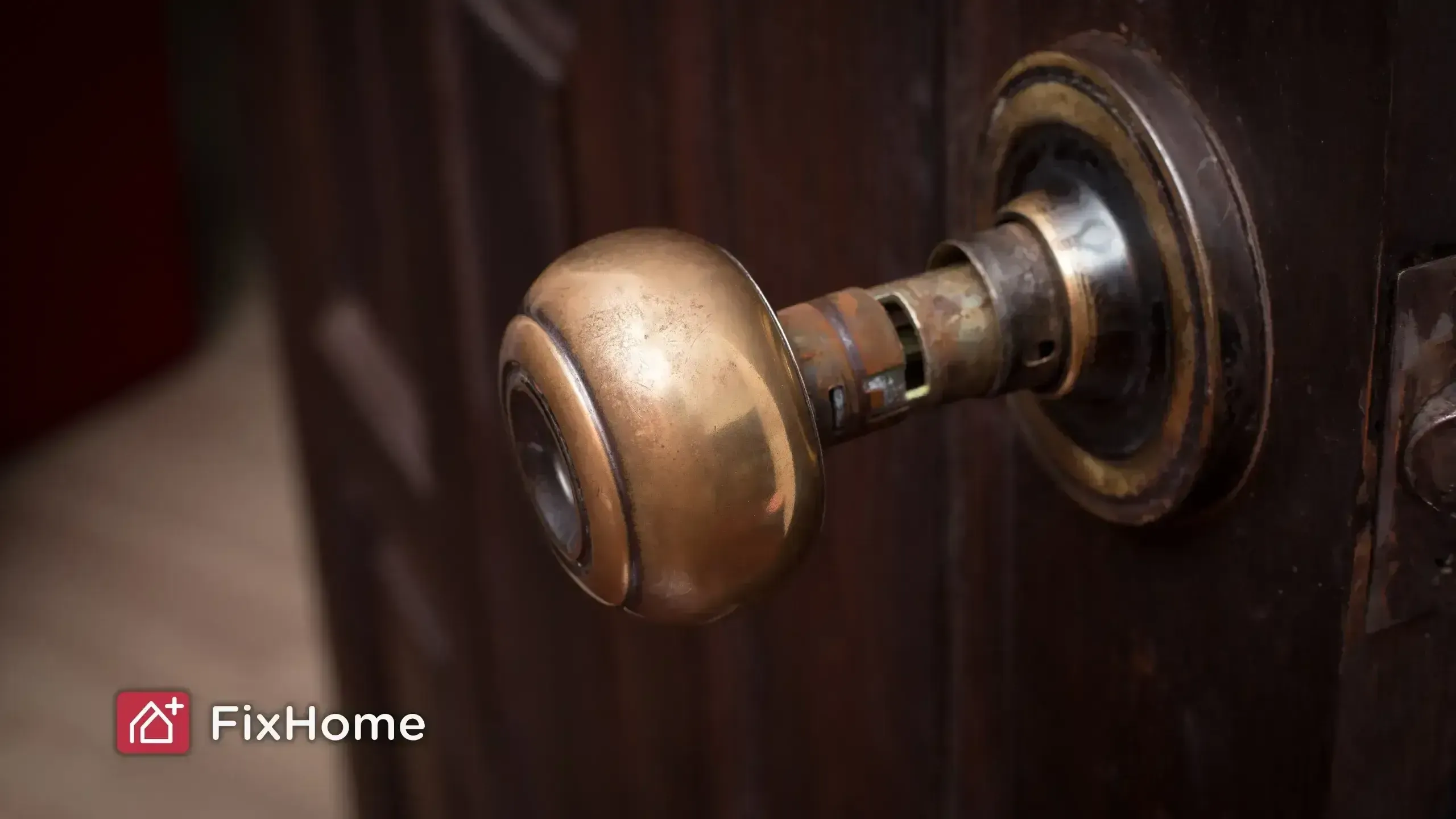
Think about how many times the bathroom or pantry door opened and closed in the last month. High-traffic doors often end up with wobbly doorknobs or loose hinges. It seems minor, but a loose handle can eventually damage the internal latch mechanism if not tightened.
Flooring Scuffs, Loose Transition Strips & Baseboards
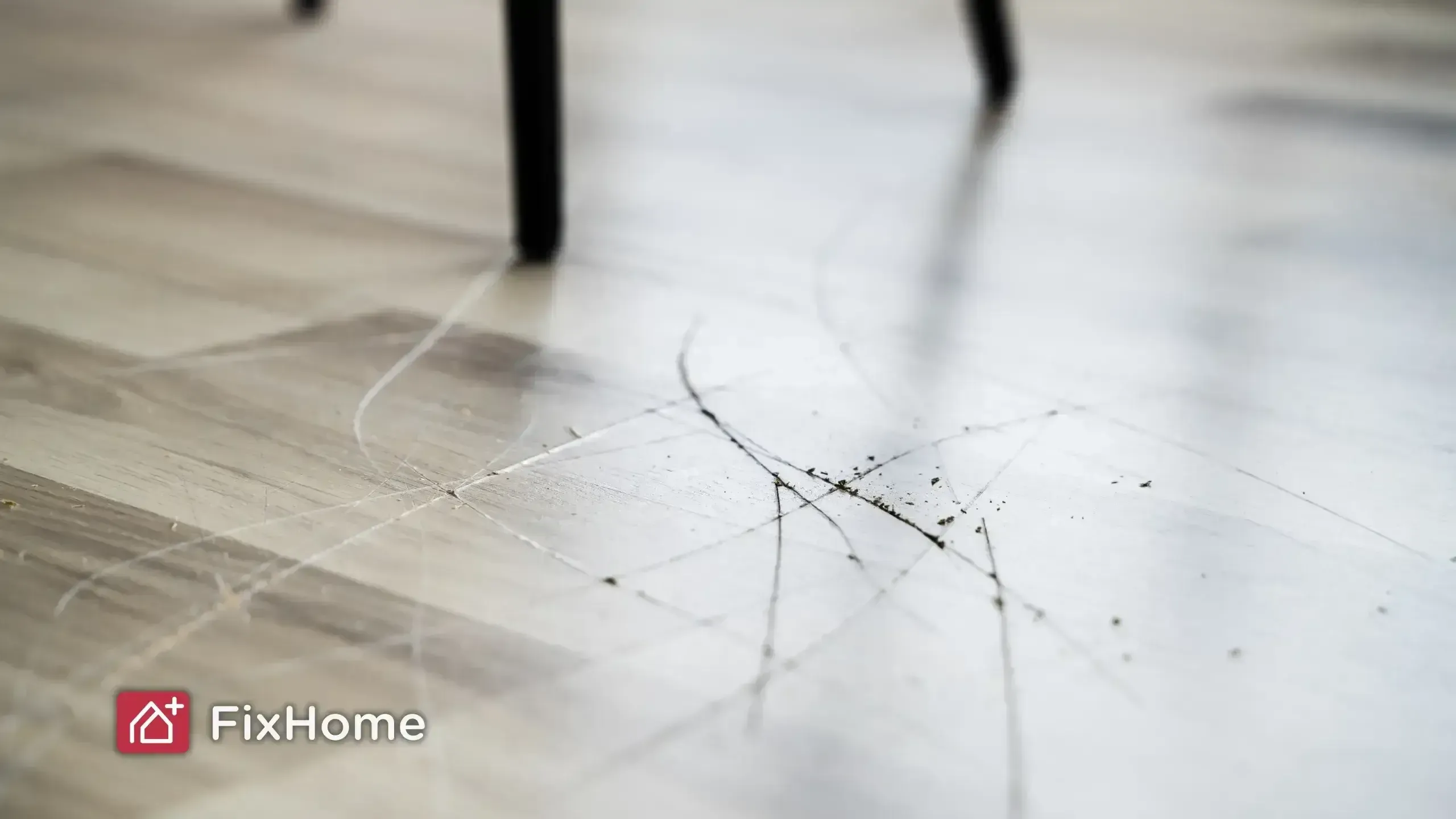
Boots, heels, and moving chairs take a toll. I often see scuffs on hardwood, but more concerning are the transition strips, those pieces between rooms, that get kicked loose. Baseboards also take a beating, sometimes separating from the wall if the humidity levels fluctuated wildly.
Clogged Drains from Holiday Cooking & Extra Guests
Your plumbing likely worked overtime. Kitchen sinks often back up in January due to grease buildup from holiday roasts (even if you were careful, some always gets down there). Guest bathroom drains are another hotspot, often clogged with hair or soap scum from extra visitors.
Overloaded Outlets & Holiday Light Fixture Damage
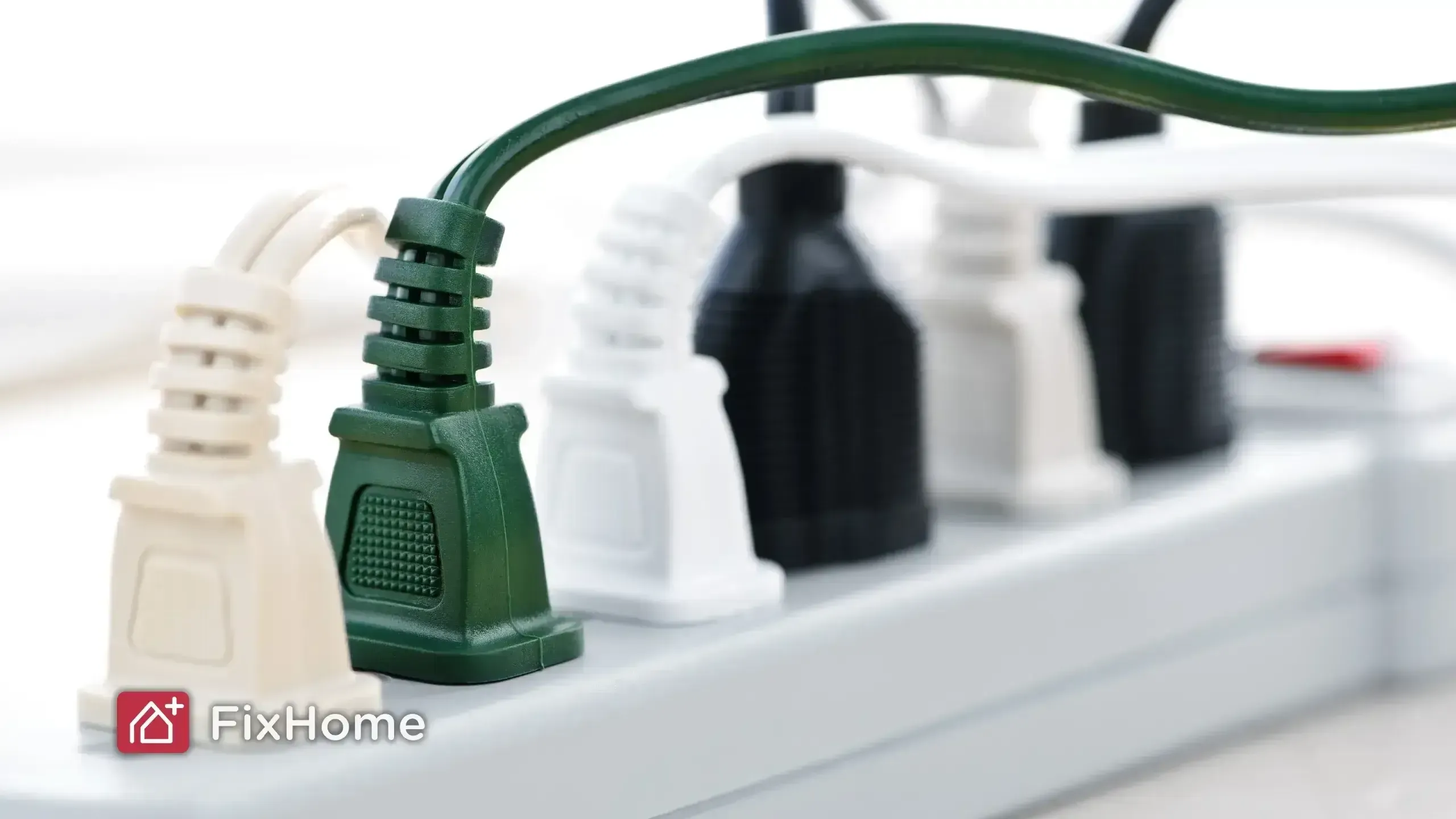
We tend to demand a lot from our electrical systems in December. Daisy-chaining extension cords can overheat outlets, leading to discoloration or damage. Outside, clips used for lights can sometimes damage shingles or siding, or you might find that an exterior outlet cover was cracked in the cold.
Frozen Pipe Prevention: Insulation & Last-Minute Checks
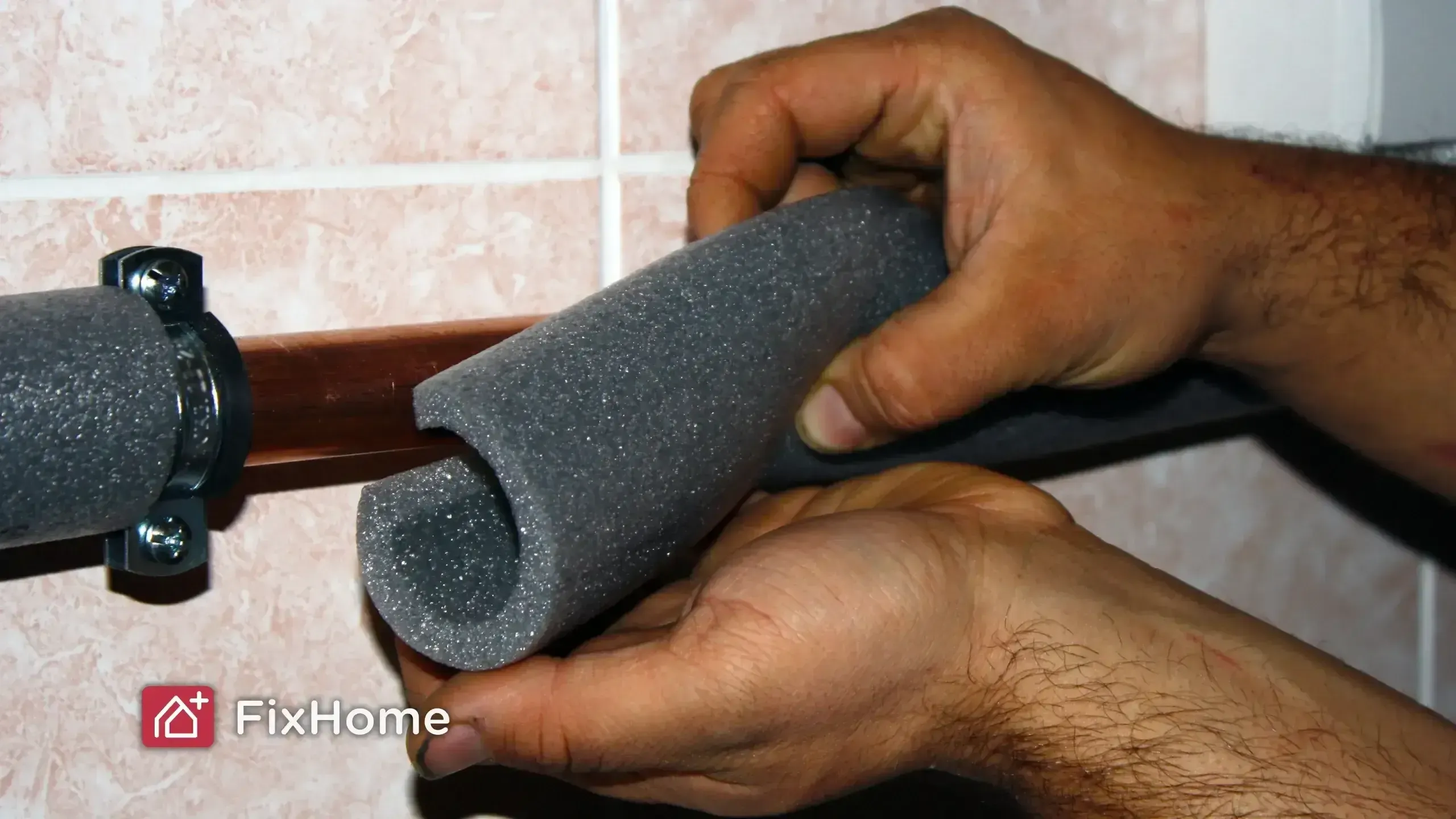
If a cold snap hits in January, this is the priority. I suggest checking pipes in unheated areas like basements, attics, or crawl spaces. If you see frost or if the water pressure drops suddenly, you need to act immediately. Adding pipe insulation now is much cheaper than fixing a burst pipe later.
Cracked Caulk & Weatherstripping Letting Cold Air In
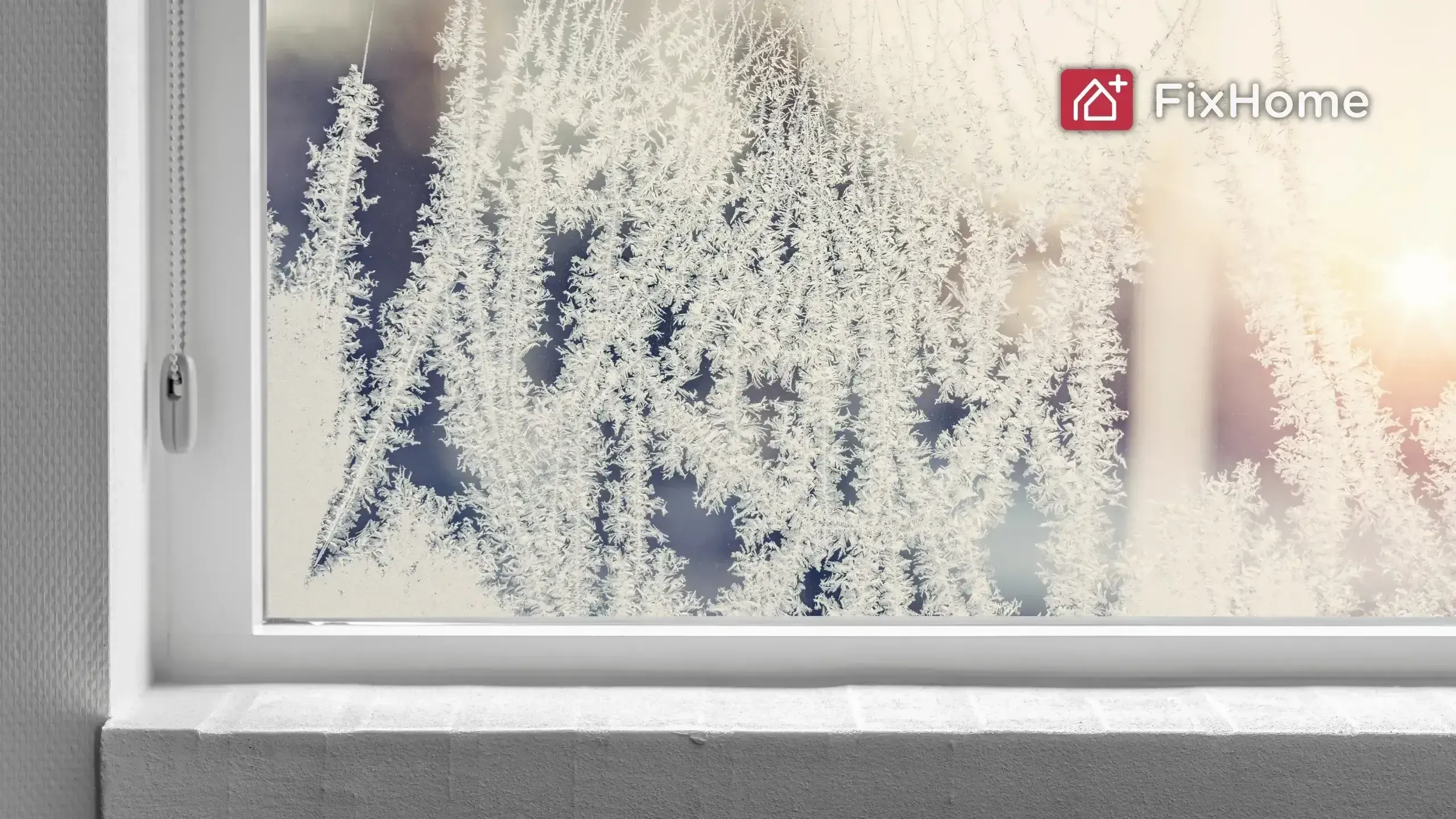
Walk by your windows on a windy day. Feel a chill? That’s money escaping. Caulk dries out and cracks over time, and cold weather makes it shrink further. Re-caulking windows and replacing worn weatherstripping on doors are essential tasks for energy efficiency. This is a practical way to combat increased heating bills.
Cabinet and Drawer Wear from Holiday Cooking
Your kitchen took a beating. Drawers that were yanked open a thousand times might now be off their tracks or misaligned. Cabinet doors might hang slightly crooked. These are usually quick adjustments with a screwdriver, but they make a huge difference in how your kitchen feels.
Furniture and Shelf Stability After Holiday Use
Did you use that decorative chair for Uncle Bob? Did a bookshelf hold way heavier gifts than usual? Wobbly chairs and unstable shelves are common post-holiday casualties. Tightening legs and checking shelf brackets is a good safety precaution.
Grout and Caulking Repairs in Bathrooms
With extra showers comes extra moisture. You might notice pink mold or cracking caulk around the tub. Water seeping behind these cracks can cause rot in the framing, so resealing the bathroom is a critical January maintenance task.
How FixHome+ Subscription Eliminates January Home Maintenance Chaos
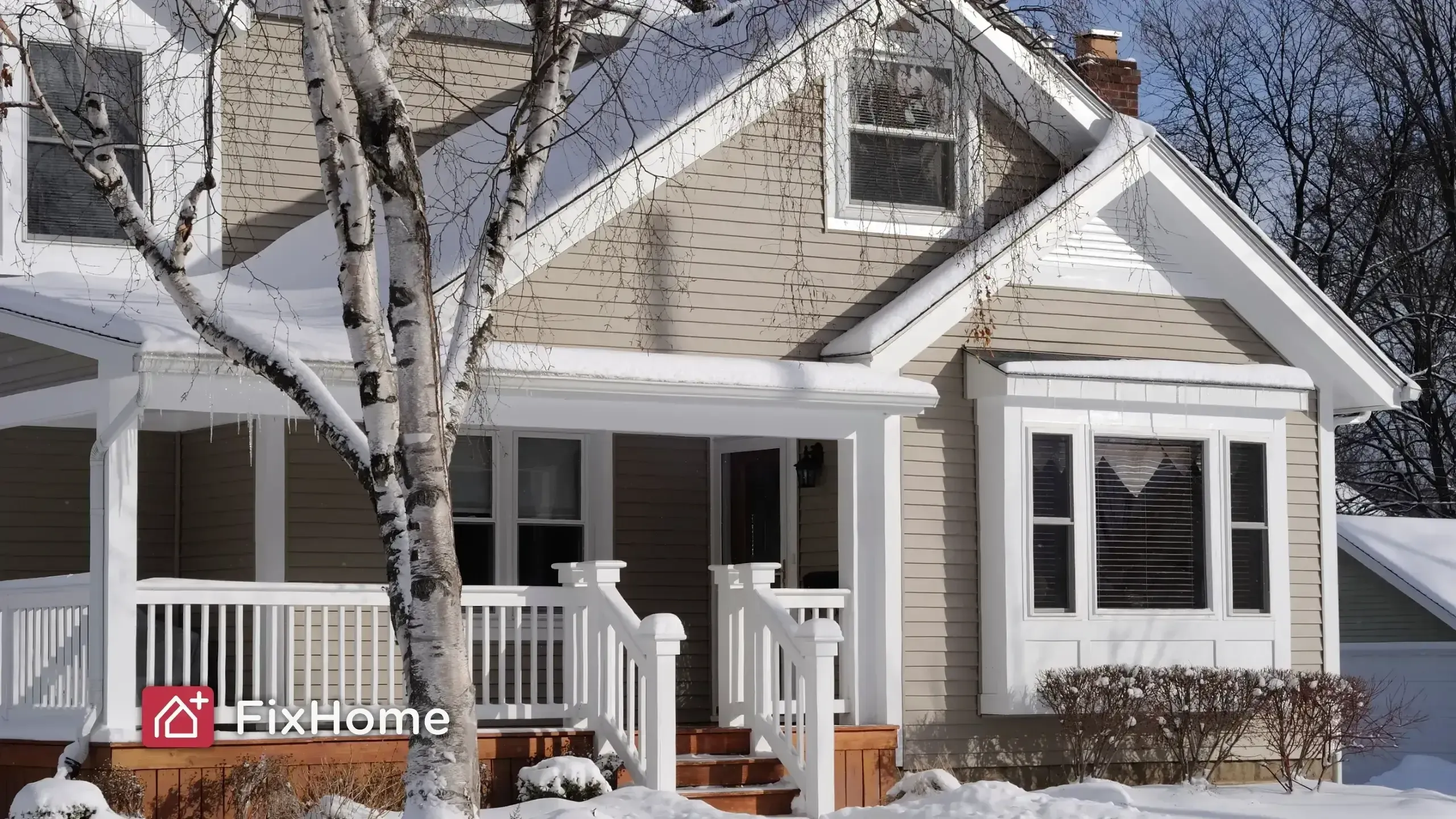
If reading that list made you tired, you aren't alone. Most of us are exhausted in January. We want to relax, not re-grout a bathtub. This is where the concept of a repairman by subscription really changes the game for busy homeowners in the Northwest Chicago suburbs.
Skip the Wait: Get Help When You Need It
January is a busy time for tradespeople because everyone is discovering these problems at the same time. Trying to book a reliable expert for a one-off job can mean weeks of waiting. Subscription services typically offer preventive home maintenance, meaning you get constant help while others are still leaving voicemails.
Stop Paying Emergency Rates
When you call a pro because a shelf just collapsed or a door just fell off, you often pay a premium for the urgency. Subscription handyman packages flatten this cost. You get predictable pricing for maintenance, rather than shock pricing for emergencies.
Catch Problems Early with Regular Inspections
The biggest value, though, is prevention. A good service doesn't just fix what's broken; they look for what's about to break. Regular visits mean a pro checks your caulking, tests your sump pump, and tightens those loose handles before you even notice them.
Your Winter Post-Holiday Checklist: 7 Quick Fixes to Handle Now

If you want to tackle some of this yourself, here is a simple walk-through you can do this weekend. Grab a notepad and do a lap around your house.
- Walls and Paint: Scan specifically for scuffs at knee-height (from bags/shoes) and nail holes at eye-height.
- Doors and Cabinets: Open and close every door. Jiggle the handle. If it rattles, tighten the screws. Check hinge alignment on cabinets.
- Floors and Baseboards: Look for new scratches. Check where the floor meets the wall—are there gaps?
- Sinks and Drains: Run the water in every sink for a minute. If it drains slowly or gurgles, mark it down.
- Windows and Doors: Run your hand along the edges of the frame. If you feel cold air, you need weatherstripping or caulk.
- Pipes: Go to the basement or garage. Visually inspect exposed pipes for condensation or drips.
- Outlets: Unplug those extra holiday cords. Touch the outlet faceplate—it should never be warm.
By the way, you can use the FixHome+ app as a handy To-Do list. Simply download it for free, add photos of problem areas, and jot down your own notes for planning tasks.

Start today
Download the FixHome+ App
Manage home maintenance with just a few taps. Book visits, track tasks, and get updates—all in one place with the FixHome+ app.
Need an annual home maintenance calendar for your entire property? We've covered them before in our blog pages
Don’t Let Holiday Damage Become Your New Year's Stres
The start of a new year is supposed to be about fresh starts, not dealing with a crumbling house. Taking small, proactive actions in January prevents future stress and keeps your money in your pocket. A tidy, well-maintained home sets the tone for the rest of the year.
Feeling overwhelmed by your post-holiday to-do list? The team at FixHome+ is here to help homeowners in Chicago's northwest suburbs tackle these small repairs before they become big headaches. Explore our service area and start your year stress-free.
More from our blog.
Discover more insightful and engaging content from our blog.