Deck staining works best when air temperature is between 50°F and 90°F and relative humidity stays below 85%. Wood moisture content must be at or below 15% before applying any stain or paint. In the Chicago suburbs, May, June, and September are the most reliable windows. July and August are workable with morning-only timing.
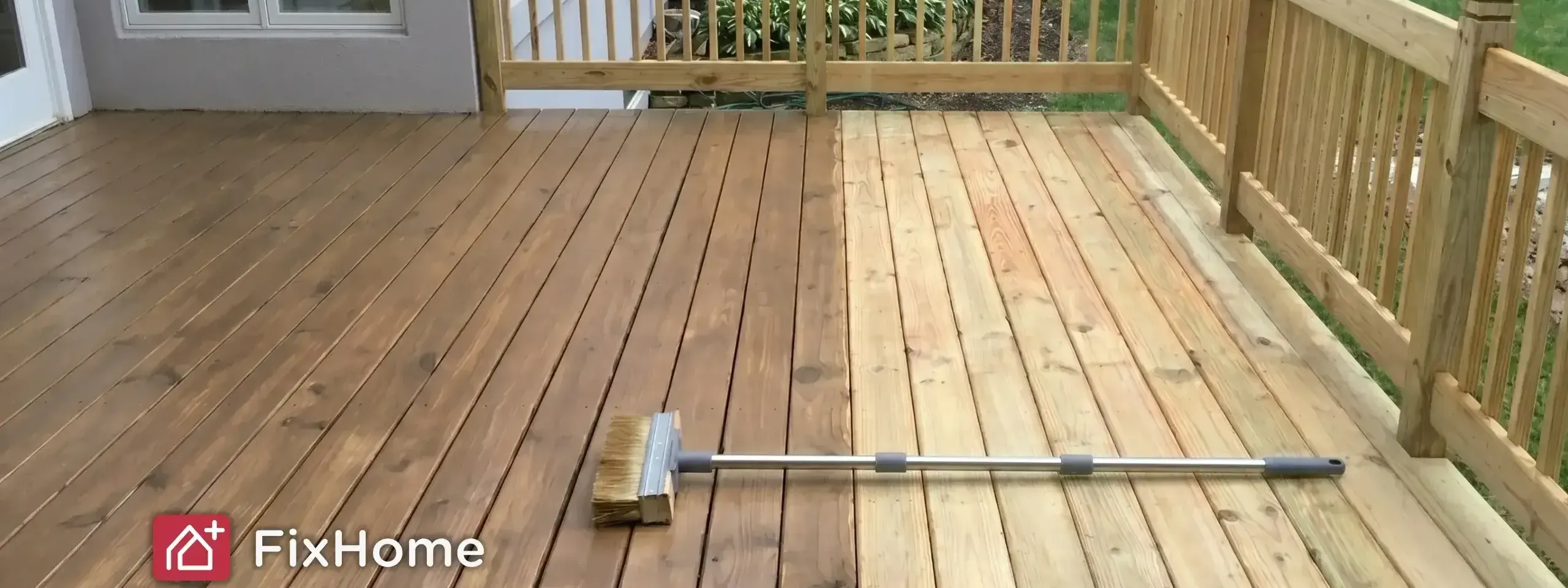
You've got a free weekend. The deck needs staining. You're ready to go. Then you check the weather and have no idea whether those conditions actually work. Too cold? Too humid? Does it matter if it rained yesterday?
It does. Deck staining temperature is one of the most overlooked reasons a stain job fails. The wrong conditions don't just slow things down. They cause the stain to blister, peel, or absorb unevenly. And in the Chicago suburbs, where the weather rarely sits still, picking the right window matters more than most people expect.
The full picture covers more than just air temperature.
In this article:
- The temperature range that works
- Why the deck surface runs hotter than the air
- Humidity: the number most people ignore
- How to tell if the wood is ready
- After rain: how long to wait
- Month by month: when to stain in the Chicago suburbs
- When paint makes more sense than stain
- What a failed stain job looks like three weeks later
- What we check before starting
- Frequently asked questions
The Temperature Range That Works
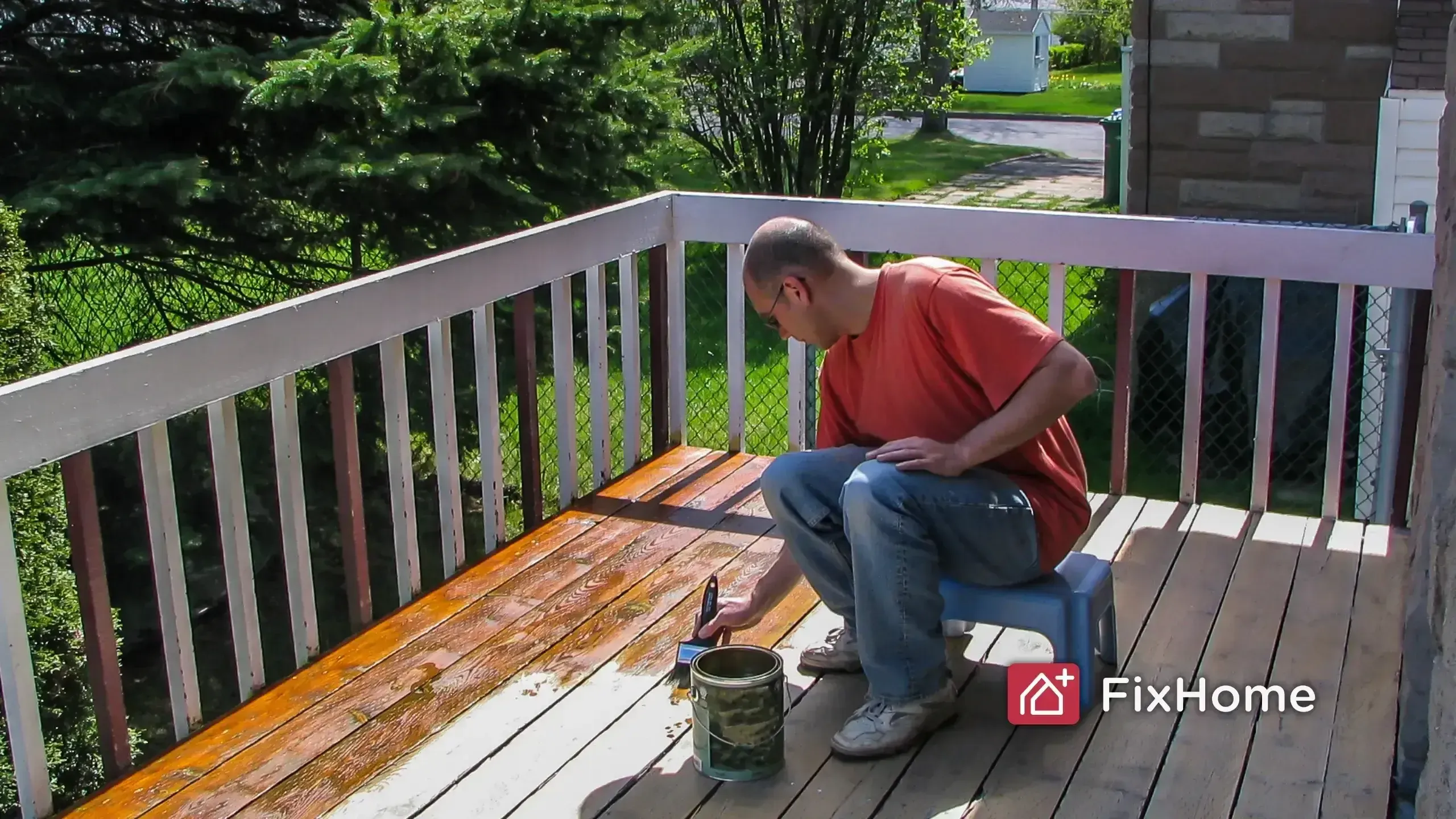
Most deck stains and solid-color finishes perform best when air temperature sits between 50°F and 90°F. That's the working range. The sweet spot is 60°F to 80°F, warm enough for the product to penetrate and cure, cool enough that it doesn't dry before it can soak in.
Below 50°F, stain struggles to penetrate wood properly. It may look fine going on, but once the surface warms up over the following weeks, you'll often see bubbling or uneven color. Some oil-based products can handle down to 40°F, but that's a narrow margin and not worth gambling on for a full deck.
Above 90°F, the opposite problem kicks in. The stain dries too fast, which means you can't work section to section without seeing lap marks. On a hot afternoon in August, the wood surface can reach 110°F or more even if the air feels manageable. At that point, you're fighting the product.
The overnight low after application matters just as much as the daytime high before it. Stain needs at least 48 hours to cure, and nighttime temperatures must stay above 50°F during that window. A day that looks fine at noon can still be the wrong day if the forecast drops cold overnight.
Why the Deck Surface Runs Hotter Than the Air
Air temperature and surface temperature are not the same thing. This is where most home stain jobs go wrong.
A deck in full afternoon sun in mid-June can run 30 to 50 degrees hotter than the surrounding air. That heat pulls the stain out before it can set. The product skins over on top before it penetrates, which leads to early peeling.
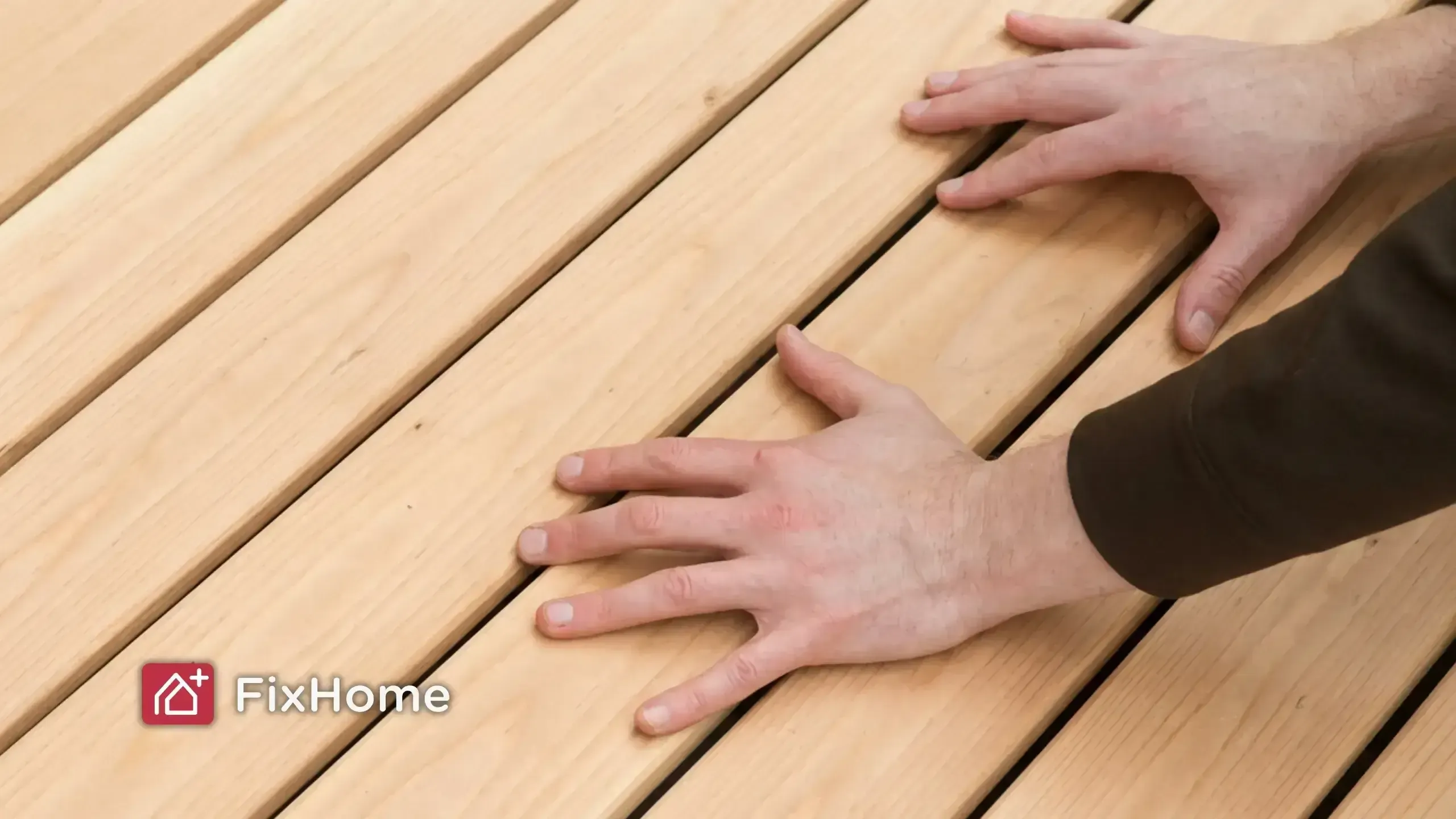
One quick test: press your palm flat on the deck surface and hold it for three seconds. If you can't hold it comfortably, the surface is too hot to stain. A thermometer is more precise, but the palm test gives you an answer before you open a can.
Morning is the right time to stain in the Chicago suburbs. The wood has cooled overnight, dew has evaporated (usually by 9 to 10am in good conditions), and you have a few hours before the sun gets high enough to heat the boards again. If your deck faces west or has morning shade, even better.
Avoid afternoon staining in direct sun when possible. If your deck has no shade at all, pick a cloudy day or plan the work in stages before the surface heats up.
Humidity - The Number Most People Ignore
Relative humidity affects how stain cures, not just how comfortable you feel working outside. Most people check temperature before staining. Far fewer check the humidity. In the Chicago suburbs, that's the number that causes the most problems.
Relative Humidity: The 85 Percent Rule
Keep humidity below 85% when staining. Above that, moisture in the air slows curing and can cause the finish to cloud or peel within a season.
There's also a lower threshold worth knowing: below 40% relative humidity, some finishes dry too quickly. Flash-drying is less common around Chicago but can happen in September and October when dry air moves in from the west. If conditions are unusually dry, work in smaller sections to avoid lap marks.
Dew Point: The Number to Check First
Relative humidity percentage alone doesn't tell the full story. The dew point is a more reliable indicator.
If the surface temperature of your deck is within 5°F of the dew point, moisture will condense on the wood. Staining over that surface causes adhesion failure, and the finish will separate over time. Most weather apps show dew point alongside temperature. Check it before you start. A day showing 70% humidity might still be fine; a day showing 60% humidity with a high dew point might not be.
Lake Michigan: Why Chicago Humidity Catches People Off Guard
The Chicago suburbs sit close enough to Lake Michigan that summer humidity behaves differently than in drier parts of the Midwest. In July and August, onshore flow pushes relative humidity levels up even on days that don't feel particularly hot or heavy. Mid-morning readings of 75 to 88% RH are common during peak summer.
A day that looks workable at 7am can be over the limit by 9am. Morning timing matters for humidity, not just temperature. The usable window is often narrower than it looks on a weather app.
How to Tell If the Wood Is Ready
Air conditions matter, but so does the wood itself. A deck can look dry on top and still hold moisture below the surface, especially older, weathered boards that absorb and release water slowly.
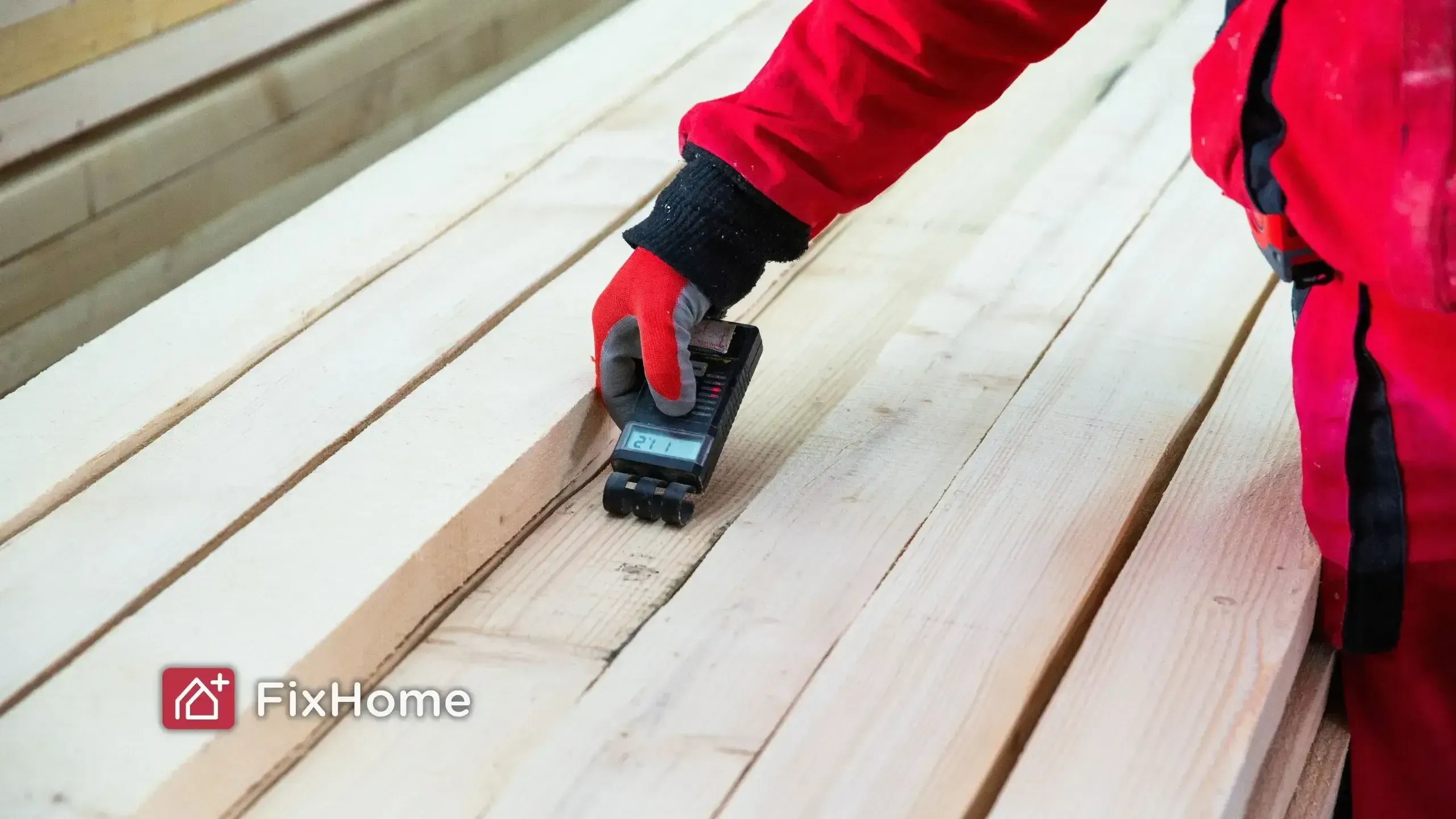
Wood moisture content should be at or below 15% before you stain. The ideal is 12% or lower. Above 18%, expect adhesion failure. The stain won't bond properly, and peeling can show up within weeks. No amount of surface prep compensates for wet wood.
A moisture meter settles the question. Hardware stores rent them. Check at least three spots: a board in full sun, one in shade, and one near the door where foot traffic is heaviest. Boards in different conditions can read 3 to 5 points apart on the same deck, so a single high reading is enough reason to wait.
If the wood reads above 15%, wait. Even if everything else looks right, wet wood will compromise the job.
How Long to Wait After Rain
The deck is dry to the touch. It rained two days ago. Is it ready?
Not necessarily.
We use 48 hours as the minimum after rain before staining. Longer if it were a heavy storm, or if the wood is older and more porous. Weathered boards absorb and release water more slowly than newer pressure-treated lumber.
The moisture meter settles it. Shaded boards often read several points higher than sun-exposed boards on the same deck after the same rain, so check more than one spot before deciding. If any reading is above 15%, wait another day and check again. "Looks dry" is not the same as "is dry." On older boards, the difference can be 24 to 48 additional hours.
Month by Month: When to Stain in the Chicago Suburbs
Buffalo Grove and the surrounding NW Chicago suburbs have a shorter reliable staining window than most people expect.
- April is mostly too cold and too wet. Overnight lows are unreliable through mid-month, and soil moisture from winter keeps ambient humidity elevated. Late April can open up if temperatures have been consistently above 50°F for a week and the forecast holds dry, but it's an opportunity window, not a planning window. If the conditions align, take it. If there's any doubt, wait for May.
- May and June are the best months. Temperatures sit in the 60s and 70s, humidity is moderate, and there are enough dry days to plan around rain. If the deck needs staining this year, this is the window to aim for.
- July and August take more patience. Heat and humidity are both elevated. Staining is possible, but it means being selective about which days you choose, watching dew point carefully, and staying in the morning hours.
- September gets underrated. Temperatures drop back into the comfortable range, humidity often eases, and there's usually a reliable stretch of dry days before fall rain arrives. If spring got away from you, September is the next best shot.
- October and beyond get risky. Once nighttime lows start dropping below 50°F regularly, you're outside the safe staining range. A warm afternoon in mid-October might feel fine, but if temperatures fall after application and before full curing, the stain won't bond. The Chicago area sees 40 to 60 freeze-thaw cycles between November and April. Any coating that didn't fully cure before the first hard freeze is at significantly higher risk of failing by spring.
When Paint Makes More Sense Than Stain
The temperature and humidity rules for deck paint are similar but slightly more forgiving. Latex paint can go down at 50°F. Oil-based paint at 40°F. Both still require humidity below 85%, and both need overnight temperatures to stay above their minimum cure thresholds.
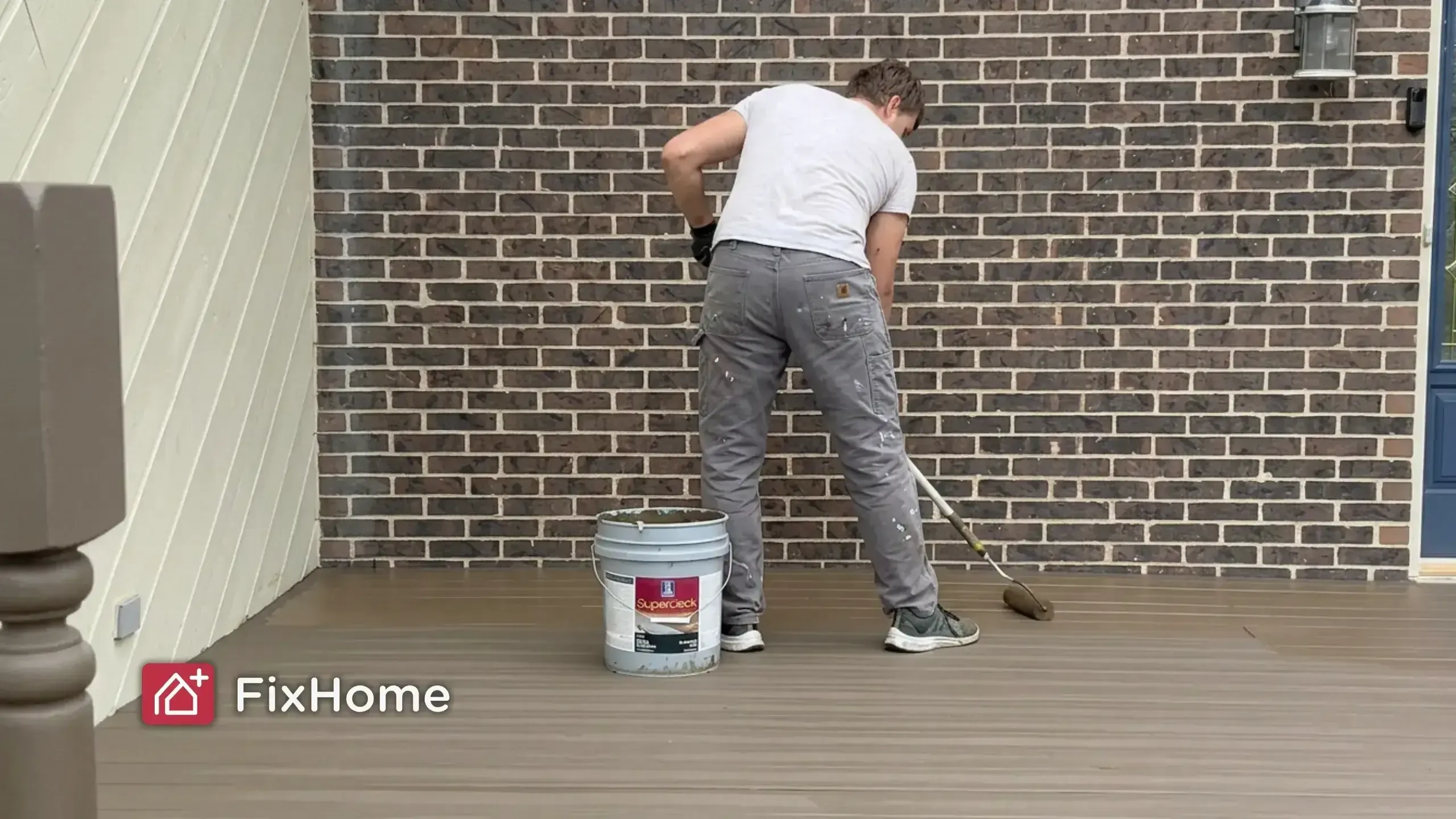
Where they separate is on older wood. Stain penetrates. It requires the boards to absorb it. If the wood is weathered, grey, or has old paint residue, absorption becomes unpredictable. Paint covers rather than penetrates. On a deck that's been through ten or fifteen winters, that's often the more reliable call.
If boards are split, cupped, or showing soft spots, deck repair should come before any coating decision.
We'll cover the full decision in a separate article, when to repaint instead of restain, and what tips it one way or the other.
What a Failed Stain Job Looks Like Three Weeks Later
Wrong conditions leave marks. They usually show up within the first few weeks. Blushing is a white haze or milky cast across the surface. It happens when humidity is too high during application and moisture gets trapped under the finish as it cures. It tends to appear in the first week, sometimes within days.
Tiger striping is a pattern of uneven color running across the grain. It shows up when surface temperature was too high or inconsistent. Sections that dried faster absorbed less stain, and sections that stayed cooler absorbed more. You can't fix tiger striping without stripping and reapplying.
Early peeling, within one to three seasons, almost always traces back to wet wood at application time. The stain bonded to moisture rather than wood fiber. Once that moisture works its way out, the finish goes with it.
None of these are product failures. They're condition failures, and they're all preventable.
What We Check Before Starting
Before any deck job, we check four things: air temperature, surface temperature, dew point, and wood moisture. In that order.
The list we run before every job:
- Air temperature between 50°F and 90°F
- Overnight low staying above 50°F for the next 48 hours
- Surface temperature below 90°F (hand test or thermometer)
- Relative humidity below 85%
- Dew point at least 5°F below the deck surface temperature
- Wood moisture content at or below 15%
- At least 48 hours since the last rain
- No rain in the forecast for the next 48 hours
If any of these don't pass, we don't start. Redoing a deck costs more than waiting for the right day.
Frequently Asked Questions
No. Even when air temperature is within the ideal range, a deck surface in direct sun can exceed 100°F — well past the point where stain can penetrate before it skins over. The result is a surface coat that peels within one to two seasons. The fix is timing: stain in the morning before the sun reaches the boards, or follow the shadow as it moves across the deck through the day.
Three to six months is the typical range, sometimes longer in a humid climate like Chicago's. New pressure-treated lumber arrives saturated with preservative solution and high moisture content. Stain applied before the wood has dried will sit on the surface rather than penetrating, and the first winter's freeze-thaw cycles will push it off. A calendar date isn't the right signal. Use a moisture meter to confirm the wood reads below 15% before you start.
If Your Deck Is Due This Season
If you live in the NW Chicago suburbs, your deck needs staining this year, and you're not sure where it stands, schedule our handyman visit. We'll check the wood condition, take a moisture reading, and pick a window that works for the job.
Download the FixHome+ app and book your deck visit.
More from our blog.
Discover more insightful and engaging content from our blog.